
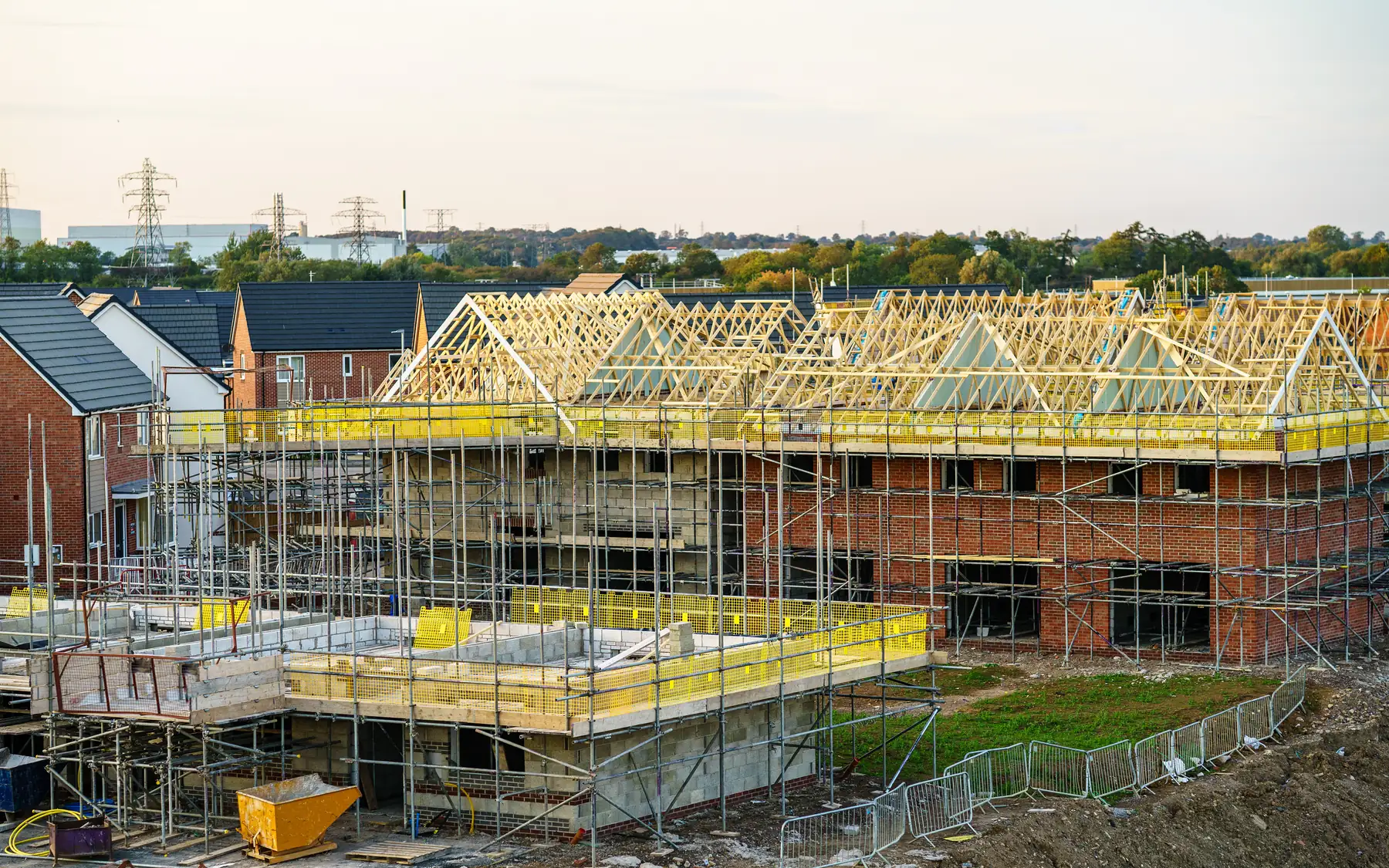
Individually designed homes
Self-Build Budget Planning
A self-build budget must account for costs outside the main building contract and the timing of payments. Deposits for major components may be required months before those items are installed.
Cost headings for a self-build budget
A self-build budget needs separate headings for the plot, design and professional fees, site preparation, construction, utility connections, interiors and external works. Costs such as rented accommodation or storage during the build need a line of their own.
A kitchen included in the main contractor’s price should not also be counted as a separate purchase. The same applies to bathrooms, flooring and landscaping. Double counting is particularly easy when individual trades or suppliers are employed outside the main building contract.
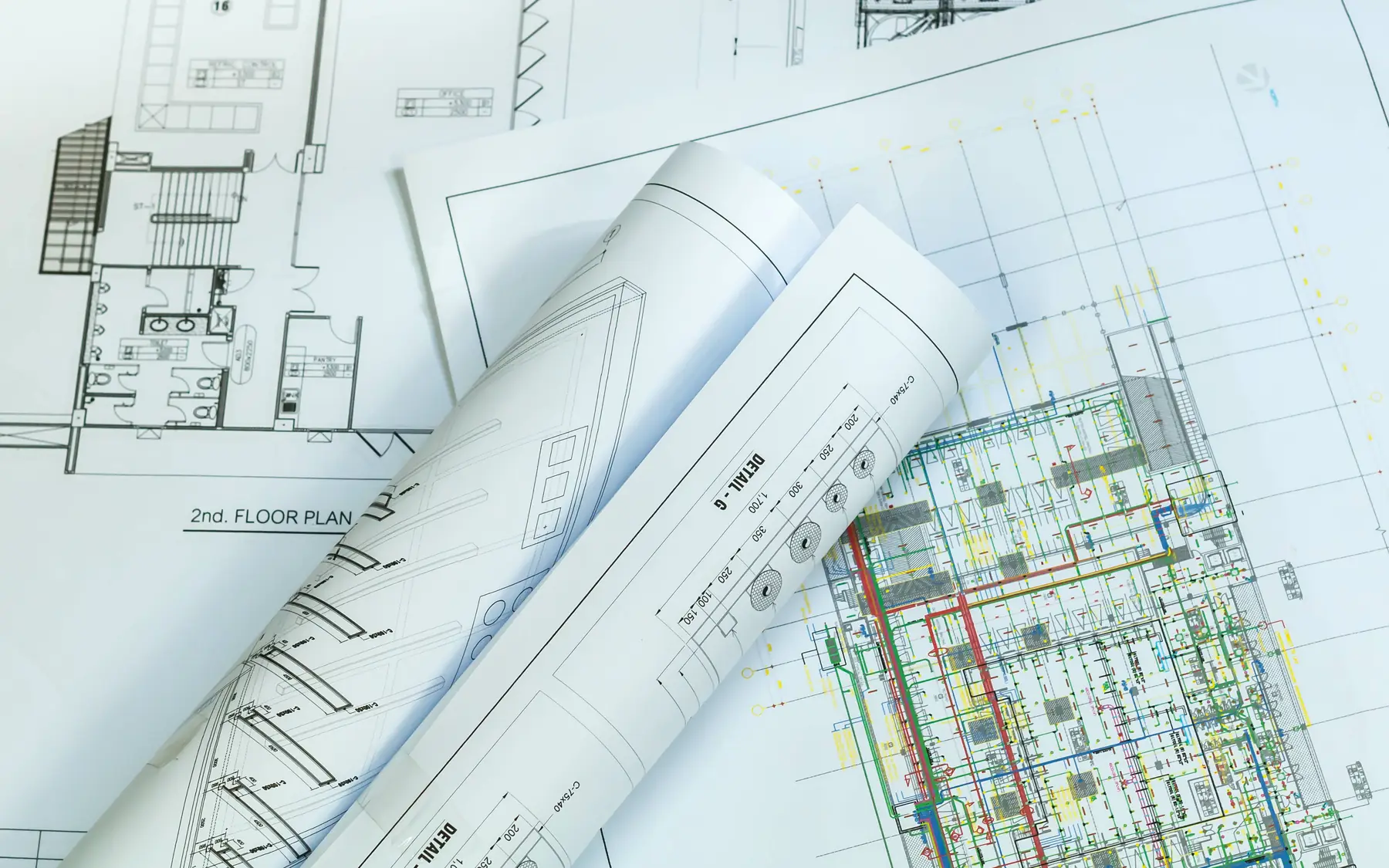
The basis of each figure
A supplier quotation for specified windows carries more weight than a provisional allowance based on an assumed glazing area. An agreed contract sum provides another level of certainty, although variations and provisional sums may still change the final amount payable.
Provisional allowances are common before kitchens, bathrooms and specialist finishes have been selected. Once an actual price is available, the earlier allowance must be accounted for rather than added to the final cost. Otherwise the same work can appear twice in the budget.
Contingency as a visible reserve
Contingency is money held for costs that cannot yet be predicted accurately. It should remain separate from known construction costs and provisional allowances. Spending that reserve on upgrades reduces what remains available if unexpected ground conditions or other necessary work arises.
The home brief planner includes an optional budget calculation using user-supplied figures. It is not a source of independently assessed construction rates or site-specific building costs.
Cash flow and payment timing
Commitments, invoices and payments fall at different times. Self-build cash flow should follow the actual contract, supplier terms and construction sequence, not the total divided equally by the months of the build. Deposits on windows or a frame may fall due well before delivery.
Separately purchased kitchens, bathrooms or landscaping can affect both the overall cost and the timing of payments. Their installation also needs to fit around the main contractor’s work, particularly where specialist suppliers require access before the house is finished.
Related self-build costs
Self-build costs
The financial demands of a self-build extend beyond the construction contract, particularly where accommodation, finance and separately purchased materials are involved. Our contact page is available for discussions about building work, while the home brief planner contains an optional budget calculation.
Plan your project
Custom Home Brief Planner
The home planner records room requirements, design priorities and an indicative budget using your own figures. The figures are for planning purposes and are not a contractor's quotation.
Common questions
Frequently asked questions
What is the difference between a cost plan and cash flow?
A cost plan sets out what the project is expected to cost. A cash-flow plan shows when commitments and payments fall due under the actual arrangements.
Should I include contingency as a separate line?
Yes. A visible reserve stays distinct from the defined construction and other cost headings, so you can see when it is used.
Does the planner supply a recommended build rate?
No. Its optional budget scenario uses the rate, whole-building area and additional costs you enter yourself.
Request a quote
Complete the form and we will get back to you.